
Building from zero to scale: What we did, how we did it and what we learnt
Some products are genuinely different. Not just positioned differently, or marketed differently, but actually, fundamentally different in what they do and how they do it. Geektrust was that kind of product. Seven years of communication built around that distinctiveness produced 1.3 lakh-plus users, a connected and involved community, and a much-loved brand that stood out, and marketing that delivered on the metrics that mattered.
When we first met Geektrust, they wanted to know if they could get media coverage. The platform had around 1,000 users, most of whom had signed up through Reddit ads and hadn’t done much since. We went back, spoke to PR agencies, and got the same answer everywhere: no funding story, no coverage. Apparently, startups claiming to do innovative and disruptive things were a dime a dozen, and funding was the validation the media needed. One year in, Geektrust remained deliberately bootstrapped.
PR was a dead end. But the 1,000-plus users who had signed up and done nothing after were gnawing at my brain. We broke the problem down and went back with a plan covering other available channels of communication: email, website, blog, app, social media, paid campaigns.
Thus started a seven-year journey, not of marketing to developers, but of understanding them and the ecosystem they worked in well enough to make sure every piece of communication and every initiative was respectful to developers, did justice to Geektrust, and showcased the companies hiring through the platform with depth and honesty.
We were involved in a lot. From all things marketing to troubleshooting sales or ops when needed, to hiring people, setting up the internal marketing team, running events, running support, writing pitch and sales decks. Except for coding, you name it, we’ve done it.
Hard to cover in one case study instead of 10, but we’ll break it down without going into too much detail. If you’re curious to know more about any part or the whole, let’s talk.
Phase 1: Early Steps
(Audience research, identity refresh, brand pillars, analytics, campaign structuring, SEO)
Understanding the audience
Before anything else, we needed to understand why 1,000 people had signed up and disappeared. So we talked to them. 194 developers in total: 25 in-depth interviews, 50 shorter conversations at two tech parks in Bangalore, and 119 online surveys. We came back with a complete picture of the developer mindset: aspirations around job search and workplaces, their approach to code tests and interviews, their hesitations.
What we heard shaped almost everything that followed.
Product: We recommended adding an online code test to the website so visitors could experience Geektrust before signing up. If the product is the differentiator, let people feel that difference before they commit. More product inputs were parked for later phases.
Website: The content needed a full overhaul to explain the Geektrust process clearly, show how it was different from every other job platform, and take people through a conversion journey. The research also gave us a clear direction for the blog, and topics rooted in what developers actually cared about.
Communication: The research clarified what to say on social media and in ads, how the brand should sound, and what role Geektrust could genuinely play in a developer’s life. A lot of this was already encoded in the brand’s DNA. Talking to people validated and helped fine-tune it.
A New Identity
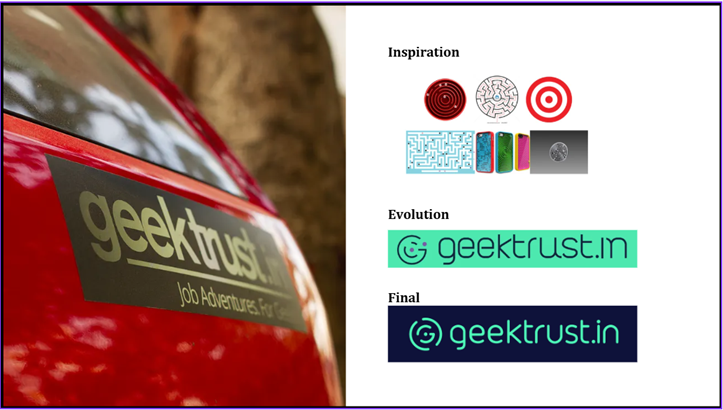
The platform was fun, geeky, and doing something genuinely original. The logo was all gold and dated. What if the logo could show the spirit of what the brand actually does?
The Brand Pillars
We identified four distinct pillars the brand stands on.
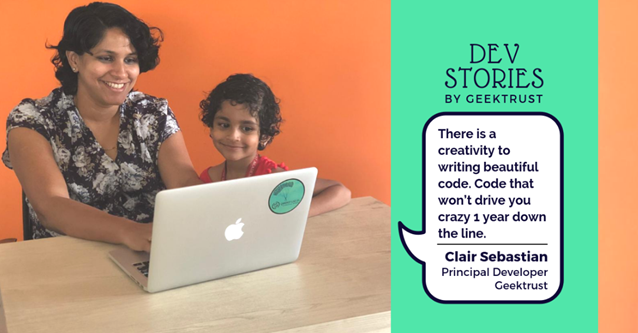
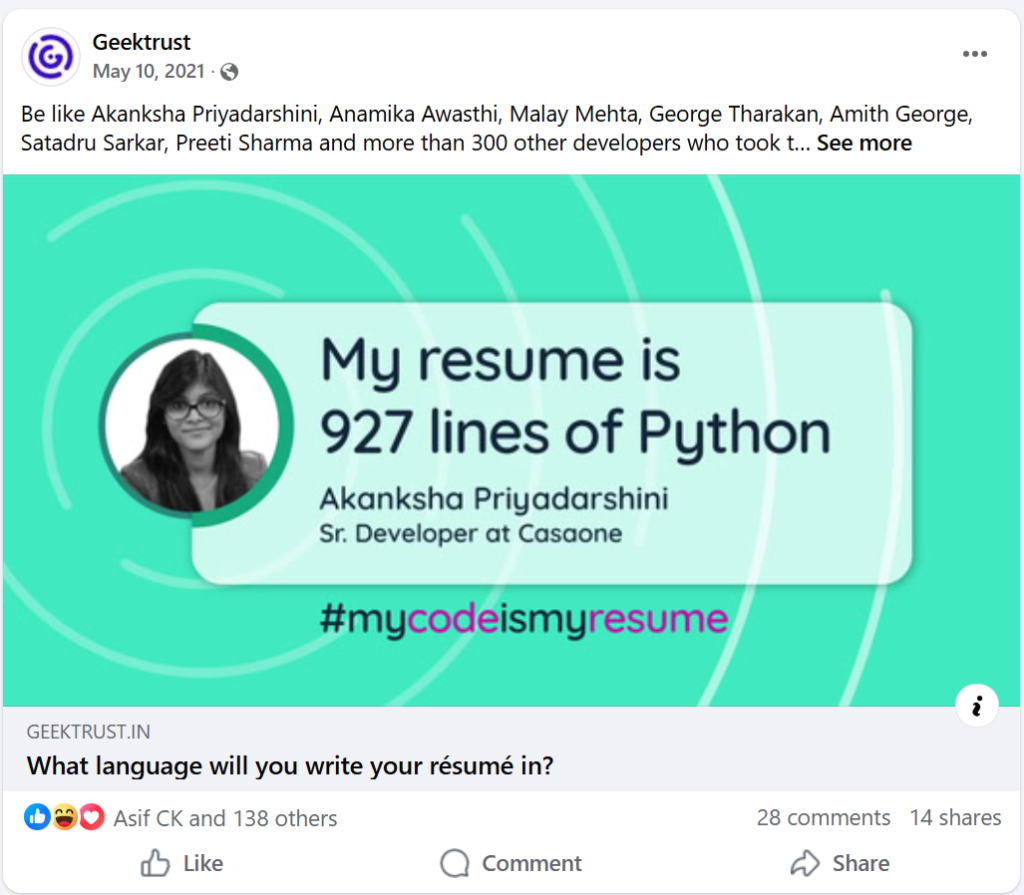
Developers. A community that inspires and helps each other do their best work and achieve their potential. We started a content series called Dev Stories featuring developers who stood out through their code, their approach to work, their aspirations. It eventually became cornerstone content that played a big role not just in conversions but in gathering and sharing experiences and views that matter. Over the years this extended into events, clean code sessions, Q&As and community-led talks.
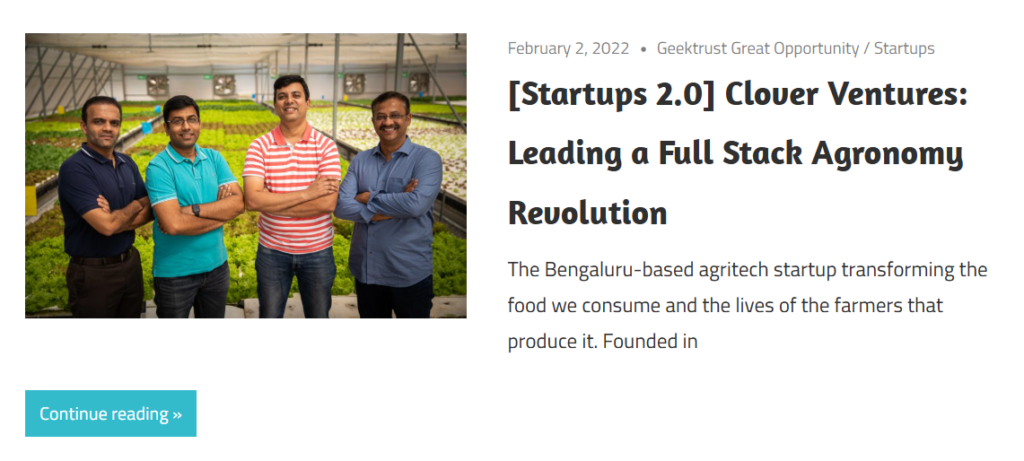
Employers. Geektrust was unique in that they evaluated and curated the companies hiring through the platform — something no other job platform did. We made sure the evaluation showed up on every company page. Sections like What you’d work on, Why we’d work here, and Why it’s a great opportunity replaced the standard boilerplate About the Company that appears on every other platform. Candidates appreciated the depth and transparency, especially the endorsement of the Why we’d work here section. We extended this with a blog series called Startups 2.0 giving an inside look at the companies, and later covered larger tech companies too. Over time, Employer Branding became a full part of Geektrust’s B2B offering, alongside exclusive hiring events that troubleshot bottlenecks in hiring.
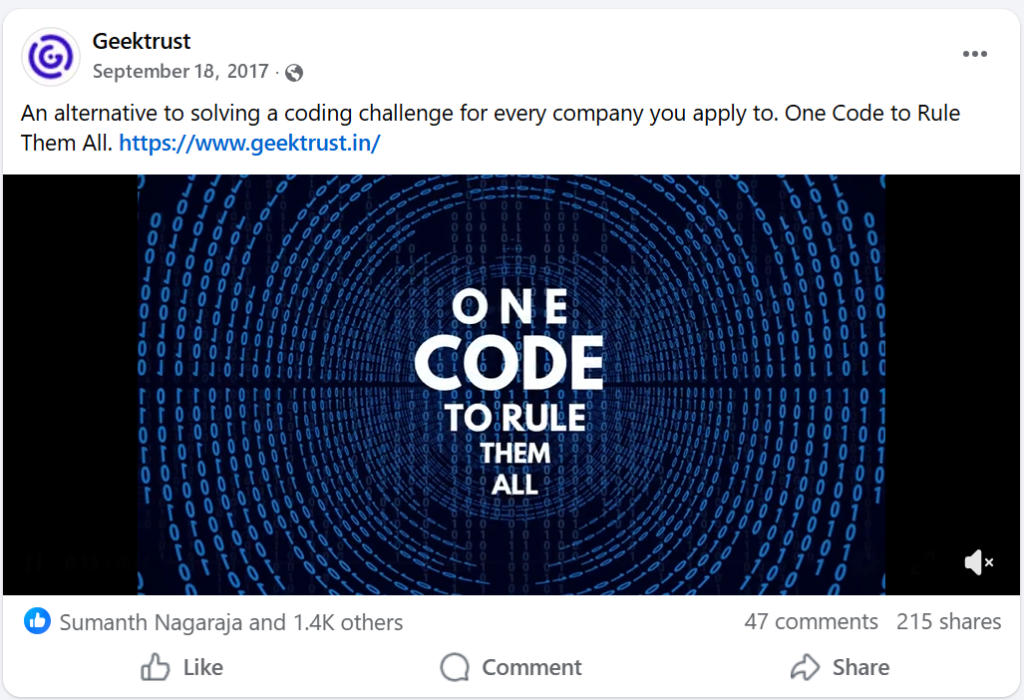
Clean Code. Geektrust’s coding challenges evaluated how clean someone’s code was. Where others used timed algorithmic challenges and test cases, Geektrust looked for the ability to solve a problem using well-written code. As a concept it was fairly known but not widely practiced. We built content around it consistently: blog posts, social media, live sessions by senior developers, coding and code-pairing events led by both the Geektrust team and the community.

Job Search. While we did exciting things with the other pillars, job search is what it all boiled down to. We created content that highlighted how Geektrust tackled the dysfunctions of traditional job search — ghosting, irrelevant screening, credential bias — and helped design and execute hiring events that demonstrably solved these issues.
Analytics: the most exciting, addictive work we did
Using Google Analytics on this platform gave perhaps the highest return for time spent of anything we did. A few highlights:
- Reduced bounce rate from 88% to under 15%
- Implemented a User ID view that graded the effectiveness of every conversion campaign and revealed the user journey prior to conversion in granular detail
- Since the website had multiple conversion points, tracking each one by segment helped us understand the journey to each conversion and design the experience differently
- Conversions on Geektrust didn’t behave like typical e-commerce, which made attribution complex. We analysed data from the platforms and Geektrust’s backend to train the algorithms on what qualified as relevant, high-quality traffic. This helped optimise overall spends and take informed decisions on when to accelerate which channel.
Campaign structuring
Getting people to sign up was relatively easy compared to getting them to actually spend time updating their profiles or applying for a job or writing code. Remarketing to take users through the entire journey from outside and in addition to the product experience was a big winner. Content marketing really shone in increasing signups, code submissions, event registrations and job applications.
SEO
After completing on-page optimisation along with the website content refresh, we started sharing content and pages to social media. The website started ranking for a few highly relevant keywords like ‘coding challenges’ and ‘developer jobs in Bangalore’ on Page 1.
Phase 2: Finding the Way
Coding events, remarketing, brand campaign, newsletter
Coding events and workshops
Being a coding platform, events were obvious. But in real life, you don’t write code competitively within a short time frame. We experimented with formats where job seekers could solve a challenge in their own time and submit when ready, or attend a physical event where code pairing, feedback and interviews took place.
The first Code With Geektrust event, despite minimal publicity, had a good turnout and generated 3x the average code submissions to date. The next, run to hire for Zomato, produced 10x. After that we ran a series for Thoughtworks, Target, Intuit, SocGen and Sahaj — each one refining the format further.
Remarketing
People are not always looking for a job. A job platform is only relevant when they’re at least passively looking. Over 90% of users sign up and then become inactive and eventually dormant after the first few days. By the time they’re job hunting again, they may have entirely forgotten about Geektrust unless the relevance and value are still fresh and apparent.
The breadth of remarketing – blog topics, clean code content, interesting opportunities, events, community stories – kept Geektrust in the audience’s mind without being pushy but here if you need us.
Brand Campaign
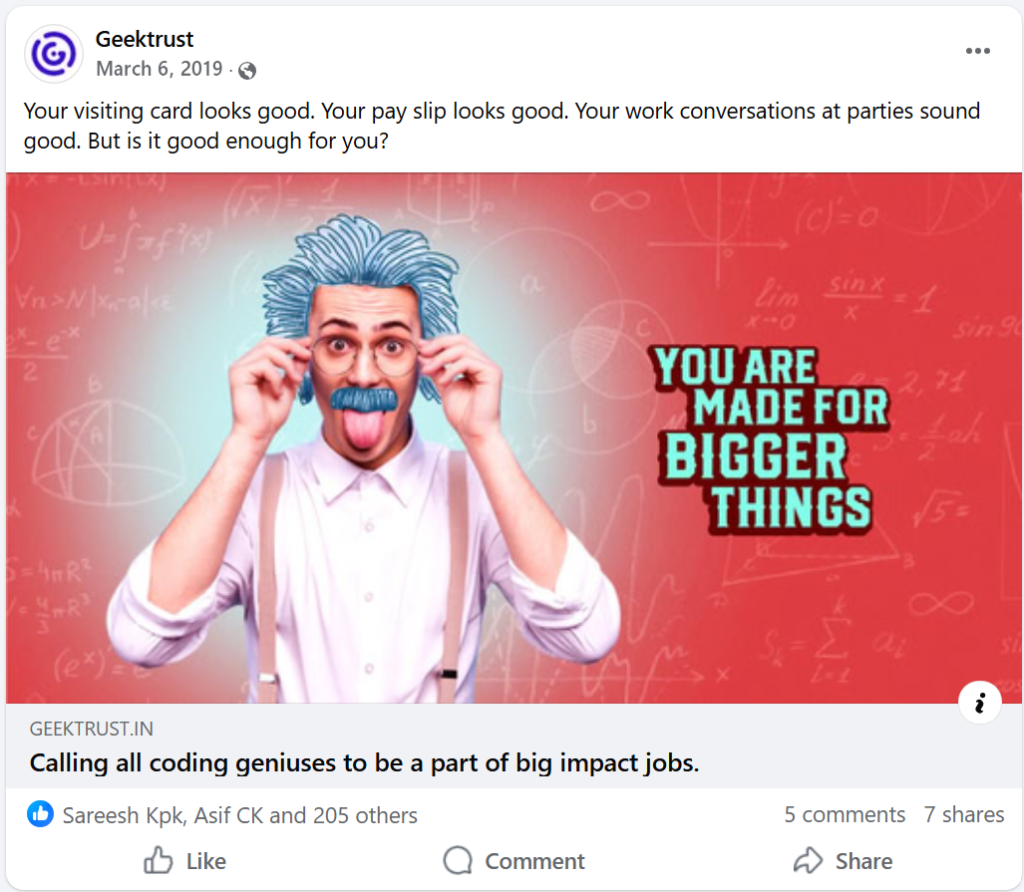
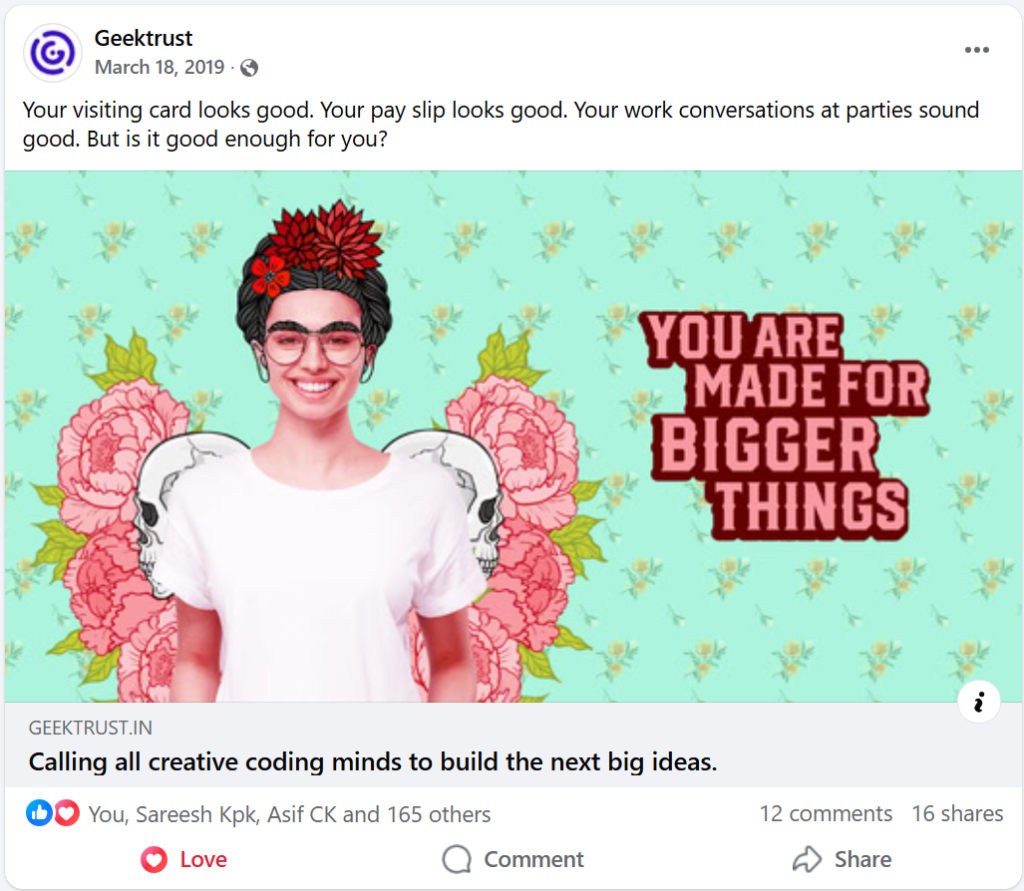
By the 2.5-year mark, Geektrust had steadily evolved, and it had become clear in what way it mattered for the audience and what role it played in the ecosystem. We decided to convey this through a cohesive campaign — You Are Made For Bigger Things — launching across digital ads, organic content and the website.
The brief in one line: Come, shape the future of the Indian tech industry.
The idea was built around the coming-of-age of Indian tech and its need for talented technologists who wanted to be part of something substantial — not just a job, but a role in shaping what the industry would become. The campaign spoke directly to the developer who knew they had more to give than their current role was asking for. Bold, playful, distinctly geeky — it connected with developers and companies who shared that passion, ambition and desire to create impact through their work.
Newsletter
We launched a monthly newsletter — News Devs Could Use — featuring the hottest jobs of the month, inspiring developer stories, upcoming events, coding workshops and clean code content. It became the primary touchpoint for users who wanted to keep their options open or stay in the loop without actively job hunting. It maintained a consistently high open rate, with strong click-through whenever events or interesting companies were featured.
Phase 3: Scaling with Clarity
Geektrust 2.0, The New Resume, hiring events, B2B
With learnings and feedback from the first five years, Geektrust revamped both its B2C and B2B products and was ready to accelerate growth. Our role was to create alignment between the vision, the product, and the brand communication across every internal and external touchpoint.
A World of Potential
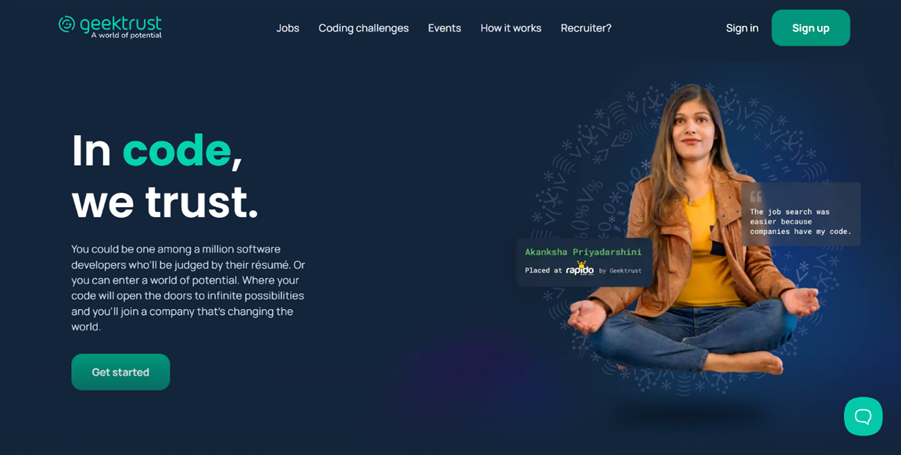
A World of Potential became the articulation of the core idea of Geektrust and the future they were building. Recruitment was — and still is — broken by its heavy reliance on outdated and irrelevant signals of talent and employability. Geektrust was founded on the belief that everyone deserves a chance to fulfil their true potential based on skill, and not their background or credentials.
Everything worked differently in the World of Potential. Finding a job doesn’t take forever. Ghosting is not the norm. Talented people don’t get rejected because they didn’t study at the right college ten years ago. From the website to the product to ops and communication, this served as a baseline and direction for ideation, decisions, actions and words.
The New Resume
The resume is the notorious face of the recruitment industry’s failures. With the broken resume and the resume-based screening process, the candidate’s fate is sealed before the first conversation.
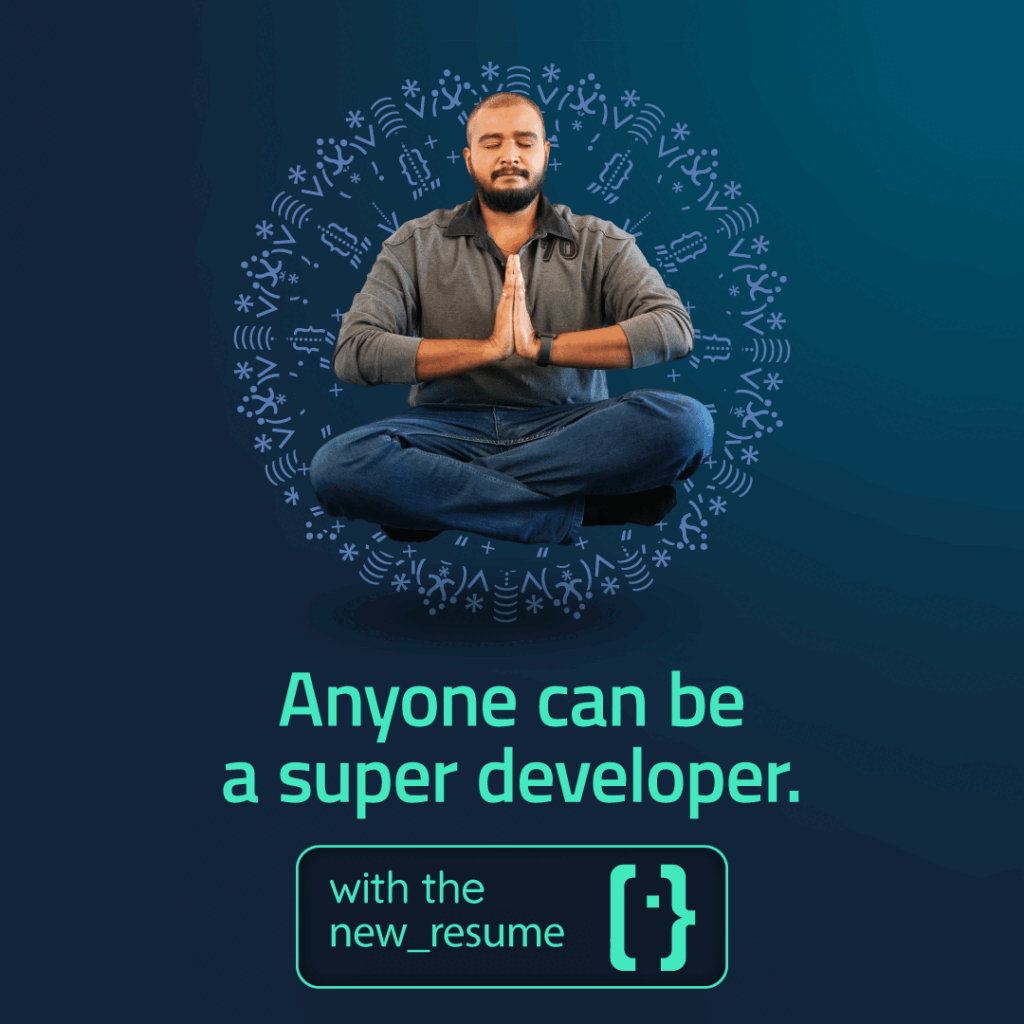
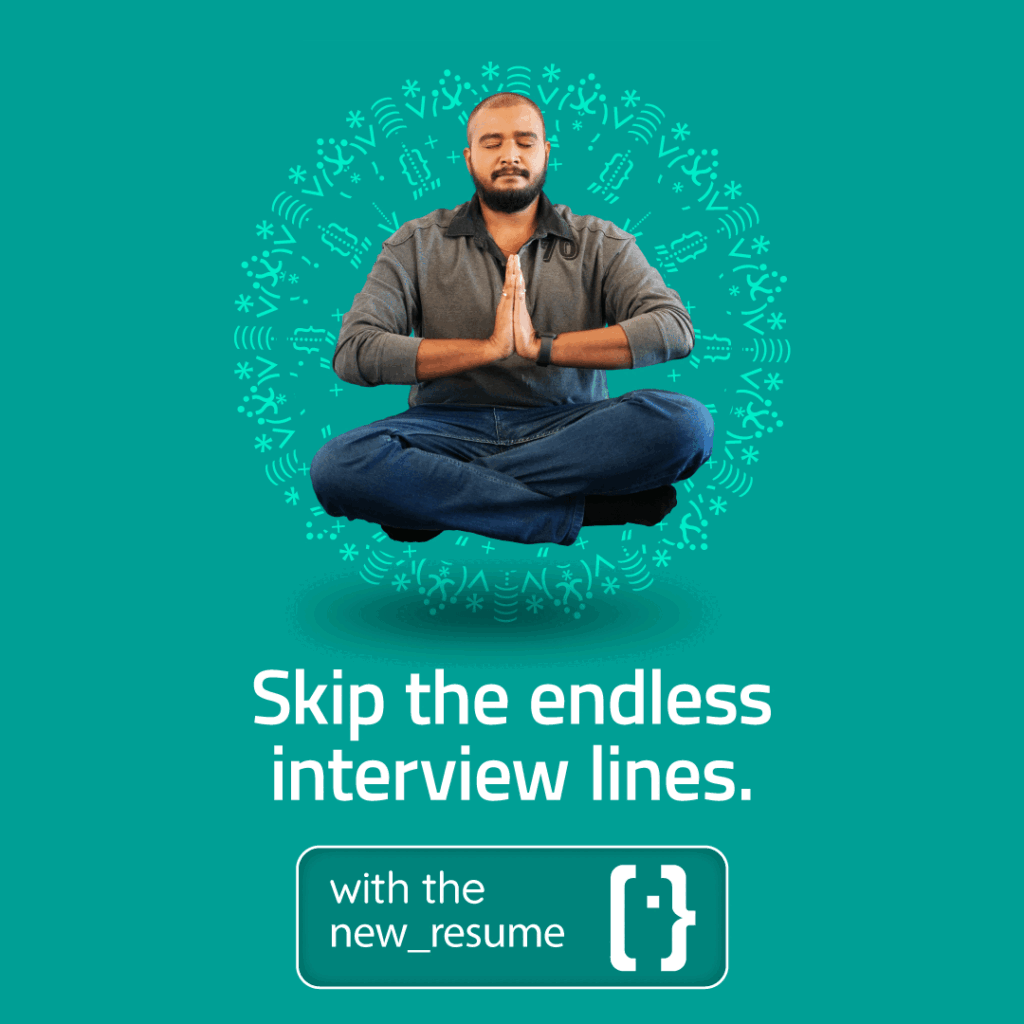
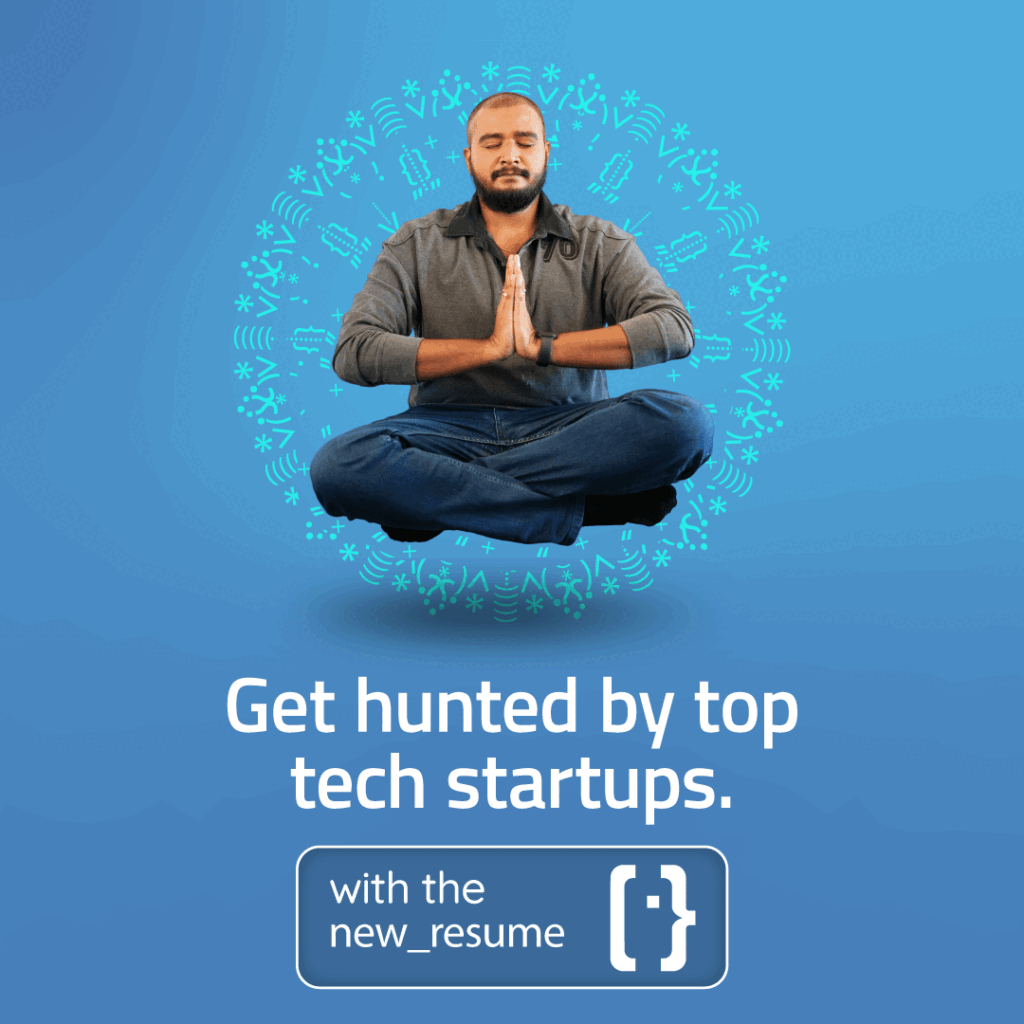
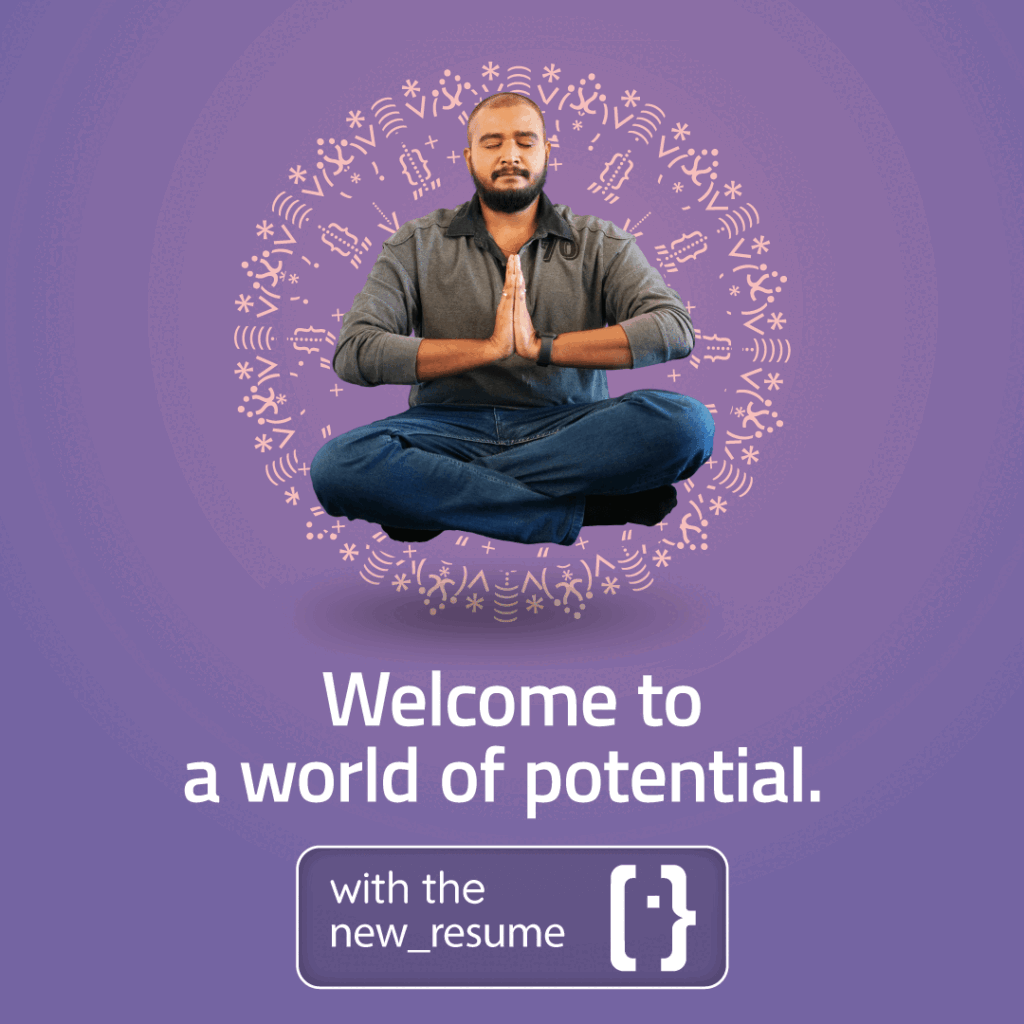
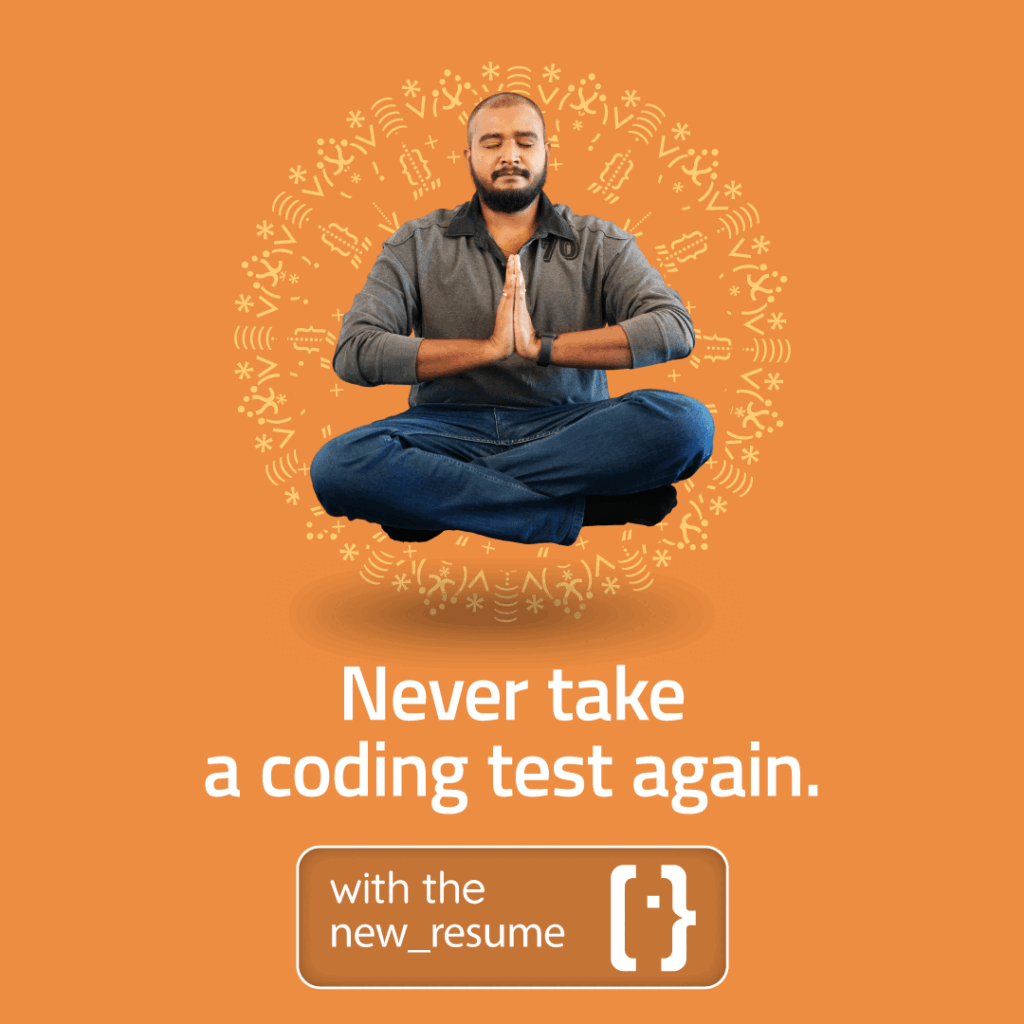
Geektrust’s process leads with talent and skill, and takes the old resume out of the equation entirely. We wondered: what’s the most powerful way to communicate that shift? The answer was The New Resume — a direct challenge to the industry’s most stubborn relic, and a clear signal of what Geektrust stood for.
One Code Weekends
We conceptualised and ran a series of live hiring events called One Code Weekends. The first edition drew over 300 attendees. The format was later sold to companies as an additional revenue stream and extended into different themes and formats in collaboration with startups and large corporates — proving that in-person, skills-first hiring could be designed and executed at scale without diluting the value.
B2B Lead Generation
We kicked off B2B marketing with a roundtable discussion and product showcase in Pune with 50 attendees who had registered via lead-gen campaigns. This became the start of regular b2b campaigns with consistently high conversion rates and lead quality.
What Worked and Why
Communication as the better filter. For a niche platform like this, communication does better targeting work than any algorithm or audience parameters. The messaging and design on the ad, the landing page, the content and even the sign-up flow were all crafted to resonate for the ideal customer, and filter everyone else out. This could look like the messaging is not direct and clear on the landing screen, but it follows a journey of intrigue, interest, give proof and credibility, and finally lead to the conviction to sign up and do more. For a long time, the headline on the landing page was simply ‘Love to code?’ and that period saw the highest quality conversions from even paid traffic.
Paid campaigns for mass and momentum. Paid campaigns were the main source of sign-ups early on, which was necessary for gathering momentum and building critical mass. When we started, cost per sign-up was over ₹500 and cost per code submission over ₹5,000. Within the first six months, these were under ₹100 and ₹1,500 respectively. Within the first year, cost per code submission was ₹800, and we maintained it consistently around ₹1,000 over time, with no change to product or ops, only through communication. That efficiency meant we could push for more sign-ups and code submissions while spending less than the allocated budget month after month.
Live events as trust-builders. Events were not just a great way to engage, they were something the audience expected and found genuine value in. Getting to see the people behind companies asking for their time and trust before spending a few hours writing code for a job, or deciding to apply to a company, was a gamechanger for Geektrust. In the process, we figured out how to design and execute highly engaged events with specific outcomes at scale for the nichest of platforms, without diluting the quality of execution and value to the audience.
Community done right. Community became a big thing a while ago. Rather than the buzz dying down, it has only grown more important, even mandatory, for a platform like this. What worked wasn’t influencer marketing or formal programmes; it was sharing real stories of people who actively used the product, collaborating with them to build something that genuinely benefited everyone, and letting members lead workshops and share job search advice. That paid off 10x more than any manufactured approach would have.
Seven years later
Working closely with the founders from the early years – at first as consultants, and later as a part of the internal team during a growth phase, leading strategy and being involved in core decisions and direction, and watching something unique and loved take shape over seven years was invaluable experience. Marketing to developers was a challenge we relished, and one we’re glad we approached without, well, marketing. We simply made sure a genuinely good product showed up in the world and found the people it could help the most. Elementary.